Minor procedures and wound care in Brookfield
Some small health problems can be handled right in our office. This page explains what we do here, and when another setting is the better choice.
- Medicare accepted
- Dr. Ghani and Dr. Gill
- Brookfield, IL
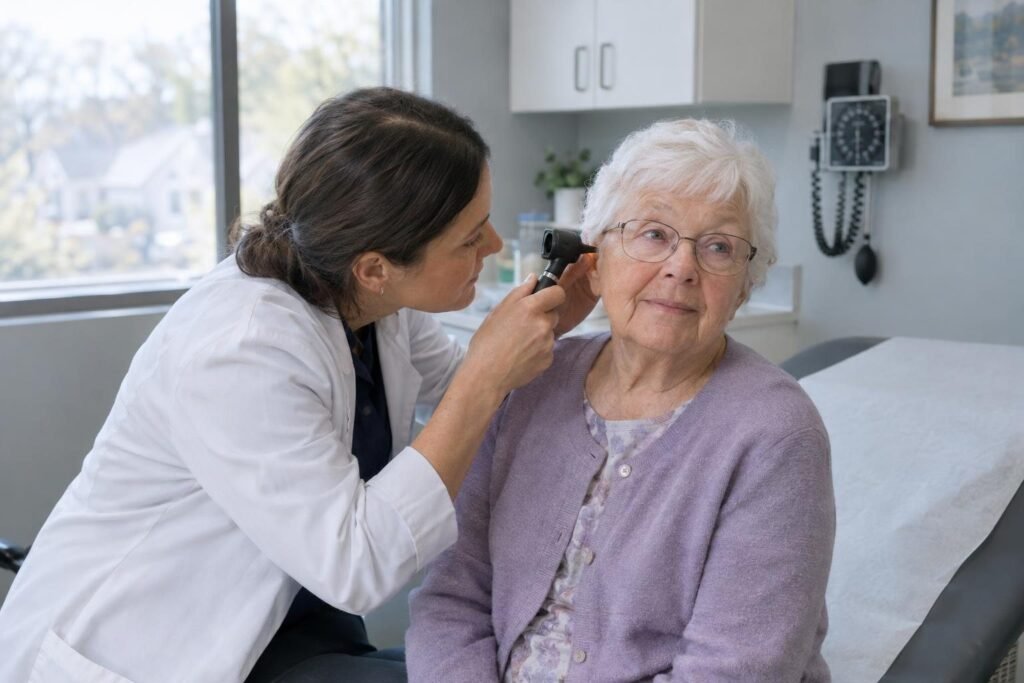
Maple Medical Center in Brookfield handles some small problems in the office: minor surgery, care for wounds and cuts (lacerations), and ear-wax removal. Not every problem can be treated here. Call (708) 485-4050, describe the problem, and we’ll tell you whether we can see you for it.
What we handle in the office
Some health problems are too small for a hospital but still need a doctor’s care. We offer three kinds of minor care in our office: minor surgery, wound and laceration care, and ear cleaning.
“Laceration” is the medical word for a cut. A cut may be shallow or deep, smooth or jagged.
Whether we can treat your problem here depends on what it is. Call and describe the problem; we’ll tell you whether we can see you for it.
Dr. Ghani and Dr. Gill care for adults and older adults. If you’re already a patient, your doctor knows your health history. That helps when a small problem meets a bigger one, like diabetes.

Minor care we offer
Minor surgery
Small procedures that don’t need a hospital or operating room. Ask whether your problem is one we can handle here.
Wound and laceration care
Cleaning and caring for cuts and other wounds, and checking that they heal well.
Ear-wax removal
Clearing built-up wax that can block the ear and muffle your hearing.
Learn more ›Why small wounds need more care as you age
Skin gets thinner and more fragile with age. It also repairs itself more slowly. Wound healing may be up to four times slower than in younger skin.
Diabetes, blood vessel changes and a weaker immune system can slow healing even more. Slow healing raises the chance of infection and pressure sores.
Thin skin can tear from a small bump, or even from rubbing or pulling. Fragile blood vessels break easily, too, so bruises show up more often.
Some wounds are more likely to get infected: bites, punctures, crush injuries, dirty wounds and wounds on the feet. If you have diabetes, don’t wait on a foot wound. Call us.
First aid for a small cut at home
For a minor cut, quick first aid can help prevent infection, speed healing and reduce scarring.
- Wash your hands with soap first
- Wash the cut gently with mild soap and water
- Press on it with a clean cloth to stop the bleeding
- Put on antibiotic ointment and a bandage that won’t stick
- Don’t pick at dirt or bits stuck in the wound; let a doctor do it
- Check the wound each day for signs of infection
Call us about a wound if
- The cut is large or deep, even if it isn’t bleeding much
- It is on your face, or deeper than about a quarter inch
- It came from a bite, a rusty object or a fishhook
- You see more redness, swelling, pus or a red streak, or you have a fever
- The pain gets worse or starts to throb
- You haven’t had a tetanus shot in the last 10 years
Our number is (708) 485-4050.
Ear wax: when to leave it and when to get help
Ear wax is normal. It traps dust and germs and protects the skin inside your ear. Most of the time it works its way out on its own.
Sometimes wax builds up and hardens. You may notice an earache, a plugged feeling, ringing, or muffled hearing. Wax blockage is one of the most common causes of hearing loss.
Please don’t put cotton swabs or other objects in your ear. They can push wax deeper. Ask us before using drops or rinsing at home. Never do either if you’ve had ear surgery or may have a hole in your eardrum.
If the wax won’t clear, a doctor can remove it. This may mean gently flushing the ear or using a small tool. Your doctor will choose the safest way for you.
Hearing usually comes back fully once a wax blockage is cleared. If it doesn’t, or your ear hurts, your doctor will look for another cause.
Getting seen for a minor problem
Call first
Call (708) 485-4050 and tell us what happened, where the problem is and when it started. Please call ahead rather than walking in.
Hear where to go
We’ll tell you whether we can see you for it. If another setting is better, we’ll say so.
Share your health details
Mention diabetes, any blood thinners or aspirin, and your last tetanus shot. Blood thinners can affect bleeding.
Follow your care plan
Look after the area as your doctor directs. Call us if you see signs of infection.
Keep any follow-up visit
Your doctor may want to check the area again. Come in as asked, even if it looks fine.
When urgent care makes more sense
Don’t wait too long to get care. If your problem isn’t serious but you can’t see us soon enough, try an urgent care clinic.
Urgent care can treat minor cuts and burns, sprains and other small injuries. It’s also an option when our office is closed.
Insurance and coverage
We accept many insurance plans, including Medicare, but not every plan. Call (708) 485-4050 and we’ll check yours before your visit. You’ll find more on our insurance page.
Coverage for a procedure can depend on your plan and the reason it’s done. Ask us before your visit.
Questions we hear about minor procedures
Which minor surgeries do you do?
It depends on the problem. Call and describe it, and we’ll tell you whether we can see you for it. If it’s better handled somewhere else, we’ll tell you that too.
Will I need stitches for my cut?
Some cuts need stitches, especially deep ones or cuts on the face. Call us right away and describe it. We’ll tell you whether to come here or go somewhere else.
How often should I have my ears cleaned?
Only when wax causes symptoms or blocks your hearing. Ear wax protects your ears, so cleaning too often or too hard isn’t helpful. Wax can build up again over time, so tell us if your symptoms come back.
Do I need a tetanus shot after a cut?
A tetanus vaccine is generally recommended every 10 years. If you can’t remember your last one, call us. We also offer immunizations, so we can check what you need.
I take a blood thinner. Can I still have a minor procedure?
Tell us when you call. Your doctor will decide what’s safe for you. Never stop a blood thinner unless your doctor tells you to.
What should I do about a skin tear?
Call us and describe it. Older skin can be slow to heal, so it’s worth having your doctor take a look. This matters most if it keeps bleeding or shows signs of infection.
Can you follow up on a wound treated at urgent care or the hospital?
Call us and describe it. Bring any care instructions you were given. We’ll tell you whether we can see you for the follow-up.
Related care
In-office testing
Several tests your doctor may order can be done right here in our office on Ogden Avenue. That can mean fewer trips to other buildings.
Learn more ›Vaccines
Vaccines protect you from illnesses that hit older adults hardest, like flu, pneumonia and shingles. Our doctors help you see which shots you are due for and where to get them.
Learn more ›Care for older adults
Health care often gets more involved after 65. There are more medicines, more doctors and more questions. Our internal medicine doctors help older adults and their families keep it all in one place.
Learn more ›Diabetes care
Dr. Ghani and Dr. Gill help adults and older adults keep type 2 diabetes under control. We check your numbers, review your medicines and talk through food choices with you.
Learn more ›Ready to see a doctor who knows you?
Call our Brookfield office and our team will find a time that works for you. We accept many insurance plans, including Medicare, but not every plan. We’ll check yours before your visit.
Important information
This page is general information, not medical advice. For heavy bleeding, a deep wound, a possible broken bone or a head injury, call 911.